Log Splitter

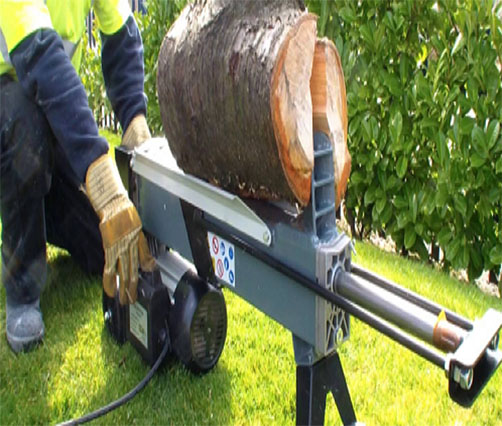
Log Splitter Parts, Accessories & Repair Help


Having stress with your lame log splitter giving you trouble to split logs? Be happy for Obinlinks Repair is here to help you out in repairing it. Our equipped and qualified technicians are ready to help and will make you happy again. Have a look at the below symptoms that will help you troubleshoot your log splitter.


Parts for Log Splitter Common Symptoms

Cause 1

Fuel Cap
As fuel is consumed, the pressure in the gas tank rises. To relieve this pressure, the gas cap uses a small vent to allow air to enter the gas tank. If the gas cap vent is clogged, air won’t be able to enter the gas tank, and the pressure in the tank will begin to rise. When the pressure in the gas tank exceeds the pressure in the engine, the engine may be hard to start. To determine if the gas cap vent is clogged, try slightly loosening the gas cap and then starting the engine. If the loosening the gas cap allows the engine to stay running, this indicates that the gas cap vent is clogged. If the gas cap vent is clogged, replace the gas cap.

Cause 2

Carburetor
The engine may be getting too much fuel or not enough fuel. This is usually due to the carburetor not working properly. If the carburetor is clogged, the engine won't get enough fuel. If the carburetor choke isn't closing properly, the engine may get too much fuel.

Cause 3

Spark Plug
Inspect the spark plug for signs of wear or damage. If the porcelain insulator is cracked, an electrode is burned away or damaged, or there is heavy carbon buildup at the electrode, replace the spark plug. To determine if the spark plug is defective, use a spark plug tester. You should see a strong spark between the tester’s terminals when the engine is cranking. If there is no spark, this indicates that the spark plug is defective and should be replaced.

Cause 1

Spark Plug
Inspect the spark plug for signs of wear or damage. If the porcelain insulator is cracked, an electrode is burned away or damaged, or there is heavy carbon buildup at the electrode, replace the spark plug. To determine if the spark plug is defective, use a spark plug tester. You should see a strong spark between the tester’s terminals when the engine is cranking. If there is no spark, this indicates that the spark plug is defective and should be replaced.

Cause 2

Carburetor Repair Kit
The carburetor might be clogged. A clogged carburetor is most commonly caused by leaving fuel in the engine for a long period of time. Over time, some of the ingredients in the fuel may evaporate, leaving behind a thicker, stickier substance. This sticky fuel can clog up the carburetor and cause the engine to run roughly. If the carburetor is clogged, try cleaning it with carburetor cleaner. If cleaning the carburetor isn’t effective, rebuild or replace the entire carburetor.

Cause 3

Carburetor
The carburetor might be clogged. A clogged carburetor is most commonly caused by leaving fuel in the engine for a long period of time. Over time, some of the ingredients in the fuel may evaporate, leaving behind a thicker, stickier substance. This sticky fuel can clog up the carburetor and cause the engine to run roughly. If the carburetor is clogged, try cleaning it with carburetor cleaner. If cleaning the carburetor isn’t effective, rebuild or replace the entire carburetor.

Cause 1

Spark Plug
Inspect the spark plug for signs of wear or damage. If the porcelain insulator is cracked, an electrode is burned away or damaged, or there is heavy carbon buildup at the electrode, replace the spark plug. To determine if the spark plug is defective, use a spark plug tester. You should see a strong spark between the tester’s terminals when the engine is cranking. If there is no spark, this indicates that the spark plug is defective and should be replaced.

Cause 2

Carburetor Repair Kit
The carburetor might be clogged. A clogged carburetor is most commonly caused by leaving fuel in the engine for a long period of time. Over time, some of the ingredients in the fuel may evaporate, leaving behind a thicker, stickier substance. This sticky fuel can clog up the carburetor and cause the engine to run roughly. If the carburetor is clogged, try cleaning it with carburetor cleaner. If cleaning the carburetor isn’t effective, rebuild or replace the entire carburetor.

Cause 3

Carburetor
The carburetor might be clogged. A clogged carburetor is most commonly caused by leaving fuel in the engine for a long period of time. Over time, some of the ingredients in the fuel may evaporate, leaving behind a thicker, stickier substance. This sticky fuel can clog up the carburetor and cause the engine to run roughly. If the carburetor is clogged, try cleaning it with carburetor cleaner. If cleaning the carburetor isn’t effective, rebuild or replace the entire carburetor.

Cause 1

Fuel Cap
As fuel is consumed, the pressure in the gas tank rises. To relieve this pressure, the gas cap uses a small vent to allow air to enter the gas tank. If the gas cap vent is clogged, air won’t be able to enter the gas tank, and the pressure in the tank will begin to rise. When the pressure in the gas tank exceeds the pressure in the engine, the engine will stall. To determine if the gas cap vent is clogged, try slightly loosening the gas cap and then starting the engine. If the loosening the gas cap allows the engine to stay running, this indicates that the gas cap vent is clogged. If the gas cap vent is clogged, replace the gas cap.

Cause 2

Carburetor Repair Kit
The carburetor might be clogged. A clogged carburetor is most commonly caused by leaving fuel in the lawn mower for a long period of time. Over time, some of the ingredients in the fuel may evaporate, leaving behind a thicker, stickier substance. This sticky fuel can clog up the carburetor and prevent the engine from starting. If the carburetor is clogged, try cleaning it with carburetor cleaner. If cleaning the carburetor isn’t effective, rebuild or replace the entire carburetor.

Cause 3

Carburetor
The carburetor might be clogged. A clogged carburetor is most commonly caused by leaving fuel in the engine for a long period of time. Over time, some of the ingredients in the fuel may evaporate, leaving behind a thicker, stickier substance. This sticky fuel can clog up the carburetor and cause the engine to stall. If the carburetor is clogged, try cleaning it with carburetor cleaner. If cleaning the carburetor isn’t effective, rebuild or replace the entire carburetor.